Pigmentation disorder Treatment in Goa
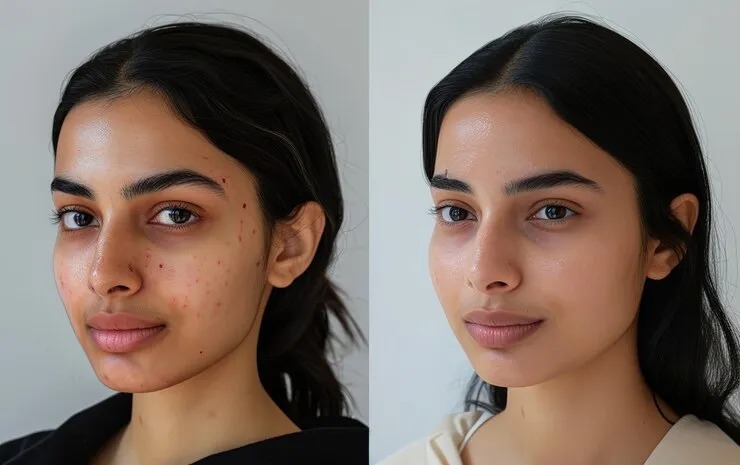
Achieve clearer, more even-toned skin with our advanced pigmentation treatments. We offer personalized solutions to reduce dark spots, melasma, sun damage, and uneven skin tone, helping restore your skin’s natural radiance and confidence.
15+
Years of Experience
2.5k+
Happy Patients
- Fine lines and wrinkles
- Hyperpigmentation, age spots and brown spots
- Enlarged pores and blackheads
- Acne and Acne scars
- Stretch marks
- Dull-looking skin complexion
- Uneven skin tone and texture
- Melasma
- Sun damage
About the Treatment
Pigmentation Abnormal Pigmentation
Birthmarks and other skin pigmentation (coloration) disorders affect many people. Some of the most common problems are listed below. If you think you have one of these pigmentation abnormalities, be sure to see a physician or dermatologist to receive an official diagnosis.
Who is microdermabrasion for?
Microdermabrasion is considered a safe procedure for most skin types and colors. People might choose to get the procedure if they have the following skin concerns:
aesthetic DNA
Skin pigmentation disorders
Melasma. Melasma (also known as chloasma) is marked by tan or brown patches that may appear on the forehead, cheeks, upper lip, nose, and chin. Although this condition is often called the “pregnancy mask,” men can also develop it. It may also occur in women who are taking birth control pills or postmenopausal estrogen. Melasma may go away after pregnancy, but if it remains, it can be treated with certain prescription creams and some over-the-counter skin care products. In addition, lasers that target pigment can be helpful. Remember to consult your dermatologist for a proper diagnosis of this condition before you choose to treat it yourself. If you have melasma, use a sunscreen at all times because sunlight will make the condition worse.
Vitiligo. Vitiligo is a condition where the body’s immune system attacks pigment cells (melanocytes), causing pigment loss. Other immune system conditions associated with vitiligo include diabetes, pernicious anemia, thyroid disease, and Addison’s disease. Vitiligo causes smooth, white skin patches, usually around the mouth and eyes, or on the back of the hands. In some people, these patches can appear all over the body. There is no cure for vitiligo, but there are several treatments, including: topical steroid preparations; topical immunomodulators; topical vitamin D analogs; dyes or psoralens (light-sensitive drugs) used in combination with ultraviolet A (UVA) light treatment; and, the Excimer laser, which delivers targeted ultraviolet B (UVB) light. All treatments may take 6 or more months to be effective.
Pigmentation alteration (change) as a result of skin damage (post-inflammatory hyper- or hyperpigmentation). If you have had a skin infection, blisters, burns, or other trauma to your skin, you may have a decrease or increase of pigmentation in the affected area. This type of alteration is usually not permanent, but may take up to several months to fade or get better. Cosmetics can be used to cover the area. In the case of hyperpigmentation (dark spots), prescription or over-the-counter lightening creams may help decrease the amount of time for the areas to fade. You should also wear sunscreen, as sunlight can prolong the darkness of the areas.
Albinism. Albinism, an inherited disorder, is caused by the absence of the pigment melanin, and results in no pigmentation in the skin, hair, or eyes. Albinos have an abnormal gene that restricts the production of melanin. There is no cure for albinism. People who have this disorder should use a sunscreen at all times because they are much more likely to get sun damage and skin cancer. Albinism can occur in any race, but is most common in Caucasians. In addition, almost all patients with albinism have problems with their eyes, such as decreased vision or abnormal eye movement, and should be seen by an ophthalmologist.
Ideal Candidate
Is This For You?
If you identify with any of the following, a breast lift or related procedure may be the right pathway for you. We invite you to a private consultation.
01
Bothered by the feeling that your breasts sag or have lost shape and volume
02
Your breasts have a flatter, elongated shape or are pendulous
03
When unsupported, your nipples fall below the breast crease
04
Your nipples and areolas point downward
05
You have stretched skin and enlarged areolas
06
One breast is lower than the other
Have a Question?
Reach Out To
Know More.
Every consultation is confidential and shaped around your concerns. We’ll walk you through every option.